

The challenge
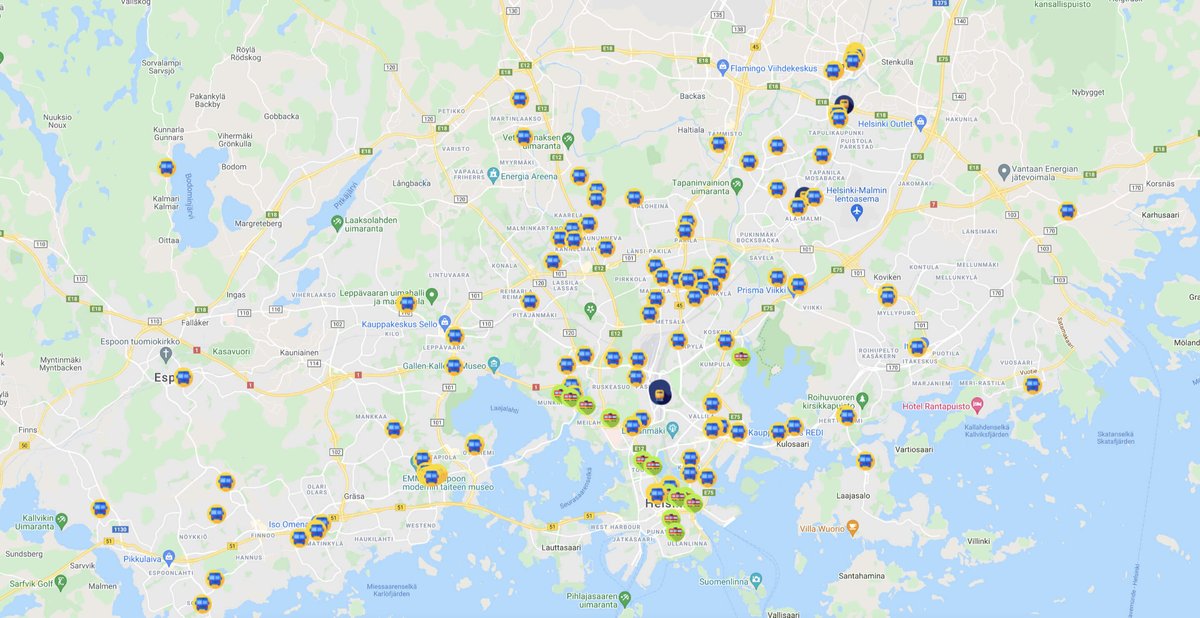
Through a tender, NCIA chose WonderBit to show how diverse IoT sensors can be securely connected to NATO's existing command-and-control systems. During a disaster, such as an earthquake or flood, a clearer picture of the situation helps people decide faster. Data from public and private sensors can contribute, provided it arrives securely and in a standard form.
What we delivered
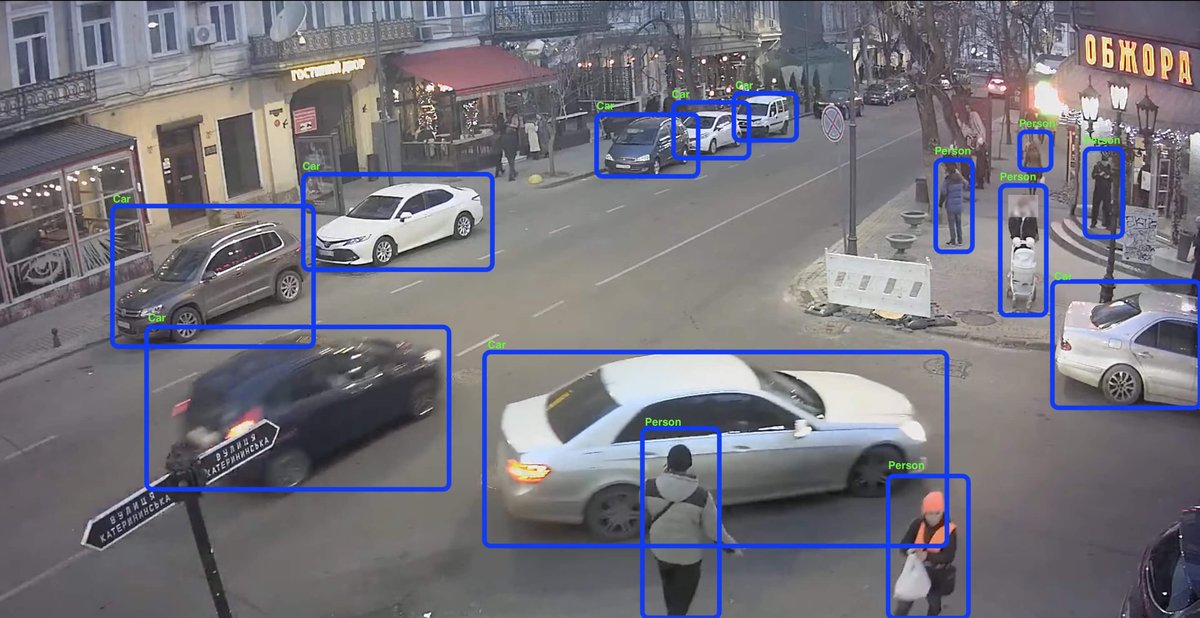
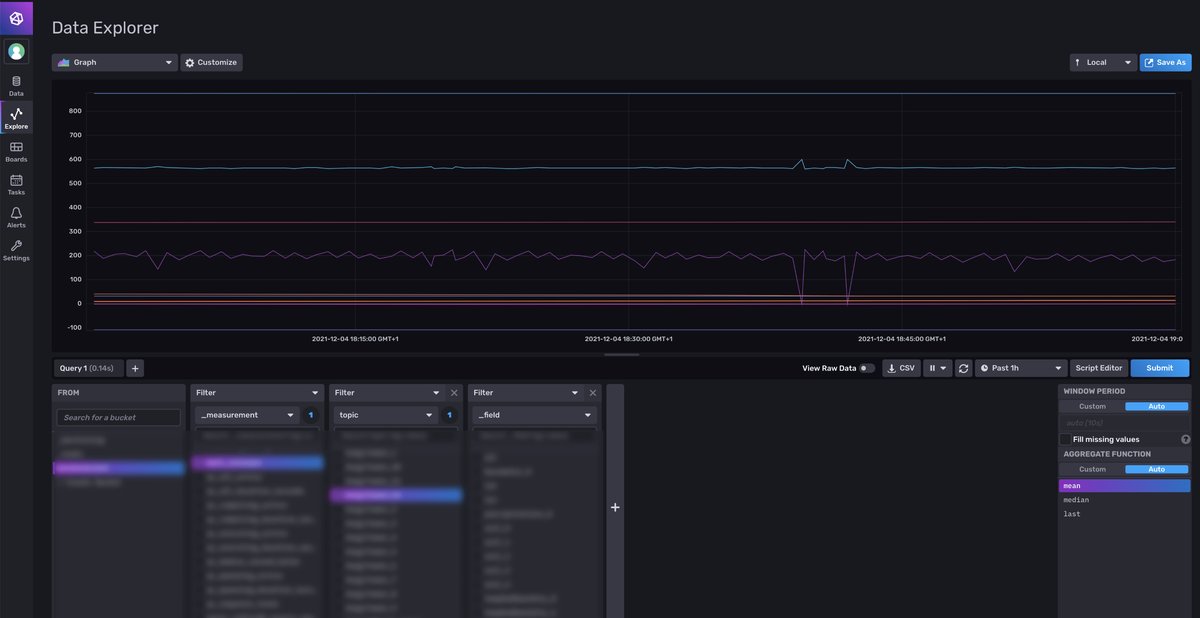
WonderBit designed and built a containerised prototype that starts with one click. It collects environmental data from sensors and footage from public live cameras, recognises objects such as people and cars in real time, and attaches a label to each one. The data is secured with attribute-based encryption, formatted to NATO standards (STANAGs) and shared through MQTT and IPFS. With partners in the IST-176 working group, we also connected identity and access management based on distributed-ledger technology, so authorised command systems can take in the data and visualise it.
The result
NCIA can use the prototype to show how information from different sensors becomes securely available to people making decisions during a disaster. Someone with little technical knowledge can give the demonstration. The project led to a scientific paper that we co-authored with NATO's Science & Technology Organization. We also wrote a blog post about that paper.